What is sustainability?
As early as 1987, Gro Harlem Brundtland defined sustainable development in the Brundtland Report: “Sustainable development is development that meets the needs of the present without compromising the ability of future generations to meet their own needs”.

Furthermore, when we talk about absolute sustainability, we use nature’s limits – what it can tolerate – as a yardstick for how much we can allow our products and actions to impact the climate and the environment.
This is the foundation on which DTU stands when we develop technology for the benefit of people and the planet.
DTU’s Centre for Absolute Sustainability
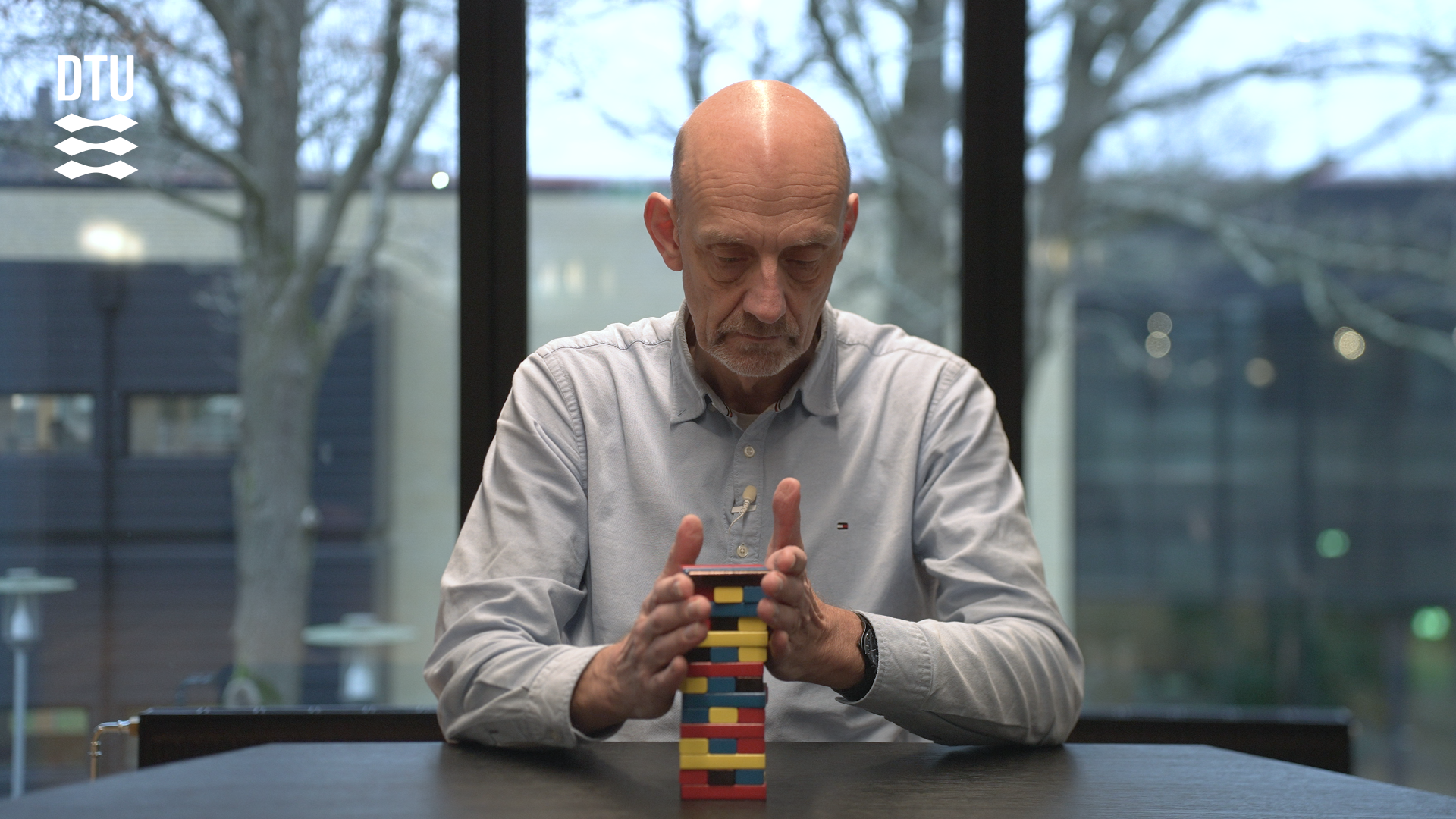
If we are to ensure that future generations have the opportunity to live as we do today, we must conduct research into solutions to four major crises simultaneously: the climate crisis, the resource crisis, the biodiversity crisis and the pollution crisis. This is one of the areas being addressed at DTU’s Centre for Absolute Sustainability. Watch the video below to find out how absolute sustainability can be defined.
Research areas
DTU develops technological solutions that tackle some of the greatest challenges facing society.
Order in our own house
At DTU, we aim to contribute to positive global development through research, innovation and education. We also take responsibility for the impact we, as a university, have on the environment, our consumption of resources, the creation of a socially sustainable environment, and the sound management of our organisation.