Research in sustainability

DTU conducts research into and develops scalable solutions and technologies that can accelerate the green transition. It is when we join forces that we create technology that benefits both people and the planet. That is why researchers across all of DTU’s departments have collaborated to identify, so far, six areas of strength within sustainability research.

Positions of strength

Construction

The construction and civil engineering sector currently accounts for 22 per cent of Denmark’s carbon footprint, 33 per cent of our total material consumption and 40 per cent of our total waste volume.

In 2021 alone, global cement production emitted 2.9 billion tonnes of CO₂, equivalent to more than 7 per cent of total global CO₂ emissions, according to calculations by the International Energy Agency (IEA).

To reduce our climate footprint, we need to develop new building materials and new methods for renovating and recycling materials and waste from the construction sector. Research is needed into how we can meaningfully transform the industry and create coherence in processes across stakeholders and suppliers.

The construction and civil engineering sector is a key player in the green transition, and if Denmark is to meet its targets, we must act now.

At DTU, we have the latest research and technologies in areas including:

Energy

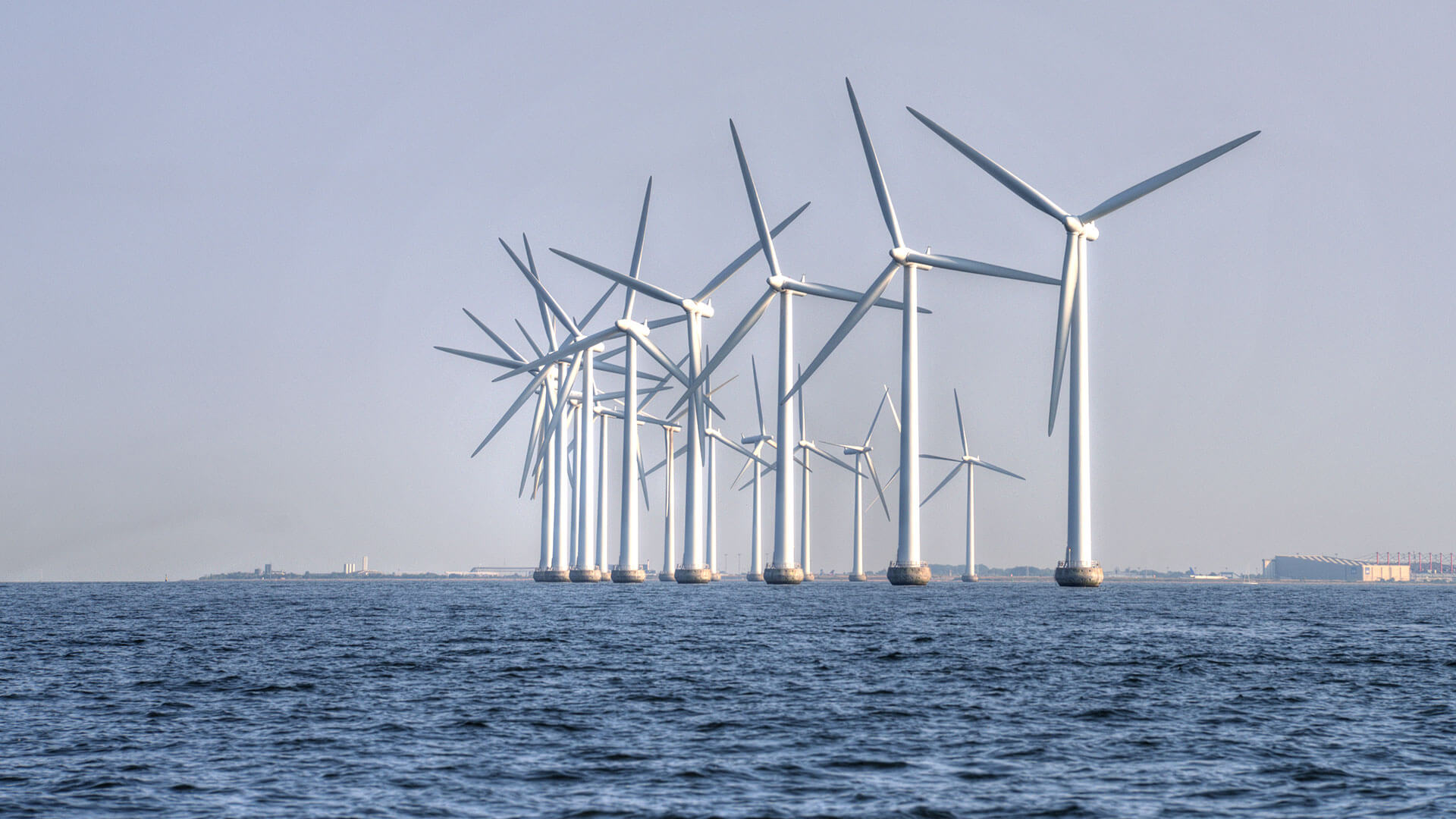
Denmark must be independent of coal, oil and gas by 2050. This means that renewable energy sources, such as wind and solar power, must be able to meet the country’s growing energy needs.

To ensure we use energy optimally, the energy system must be designed and organised in such a way that it can cope with the fact that energy production and consumption do not always go hand in hand. Among other things, this requires us to develop technologies for storing renewable energy.

Furthermore, it is crucial to interconnect energy sources so that we have a flexible and robust energy system capable of withstanding breakdowns, accidents or sabotage.

At DTU, we are conducting cutting-edge research in areas including:

Biosolutions

For decades, DTU has been a leader in biotechnology, food and the use of biosolutions to tackle industrial challenges. We deliver the scalable, bio-based solutions of the future in close collaboration with industry – from medicines to cement.

Biosolutions stem from traditional biotechnology research, but focus on how we can invent and produce more sustainable products and solutions. By utilising bacteria, fungi, algae and enzymes, biosolutions can replace and improve upon traditional, fossil-based products and methods with bio-based alternatives such as bioplastics or alternative fuels.

A common feature of these bio-based technologies is that they can help to significantly reduce CO₂ emissions in other industries’ manufacturing processes and end products.

At DTU, we are conducting cutting-edge research into biosolutions in areas including:

Transport

Since the first Danish car was built in 1888, the transport system has become increasingly carbon-intensive, and transport is playing a growing role in climate policy. According to the Svarer Committee’s 2024 report, the transport sector is expected to account for just under 40 per cent of Denmark’s CO2 emissions by 2030. A similar trend is evident internationally.

If Denmark is to achieve its target of a 70 per cent overall reduction in CO₂ emissions by 2030, CO₂ emissions from the transport sector must be drastically reduced as soon as possible. This requires increased research and development in the areas of electrification, the development of alternative fuels, battery technology and optimisation in the logistics sector as well as in passenger transport.

Research-based knowledge of framework conditions and incentives must ensure that the new technologies are adopted and used effectively.

At DTU, we conduct research into:

Food

Food production currently accounts for around 30 per cent of the world’s total CO₂ emissions. At the same time, the UN expects the world’s population to reach up to 10 billion by 2050. We must develop new and sustainable food products, as well as efficient production methods, if we are to feed everyone without overexploiting the planet’s resources. Food production has an impact on the major global crises. This includes the climate crisis, driven in part by greenhouse gas emissions from livestock production; the biodiversity crisis, with the loss of species caused by large-scale agricultural land use; and the loss of marine life in lakes and the world’s oceans due to overfishing and environmental pollution.

DTU takes a holistic approach to food as a research concept, which means that, drawing on different perspectives and disciplines, we can help ensure that food is both healthy and safe. The world is facing a crisis characterised by rising levels of hunger and malnutrition, alongside increasing rates of obesity. DTU focuses on finding healthy, safe and tasty alternatives to meat and dairy products, based on plants or with the help of microbes.

At the same time, technology and digital solutions can help improve the utilisation of resources in the processing, use, storage and transport of food. Lower energy consumption, reduced water use, less food waste and innovative uses of by-products will help to increase sustainability throughout the food chain.

Developing new technological solutions requires interdisciplinary collaboration and expertise in fields such as nutrition, chemistry, microbiology, toxicology, mathematical modelling, digitalisation and technology.

At DTU, we have the latest knowledge and technologies in fields such as:

Climate

The Earth’s climate is under pressure, and the sustainable transition of our society is, quite literally, a burning issue. The UN’s Intergovernmental Panel on Climate Change (IPCC) estimates that the concentration of CO₂ in the atmosphere is at its highest level in over two million years.

The Danish Climate Act stipulates that Danish greenhouse gas emissions must be reduced by 50–54 per cent compared with 1990 levels by 2025, and that we must be climate-neutral by 2050 at the latest.

At DTU, we collect climate data from space, on land and in aquatic environments. We monitor developments and use data to assess the state of the climate, predict disasters and ensure that the solutions and technologies we are working on respect the planet’s carrying capacity. We take rebound effects into account and work with ‘sustainability by design’.

Developing the technologies that will help us achieve our goals requires collaboration and investment. DTU has a strong position in research within:

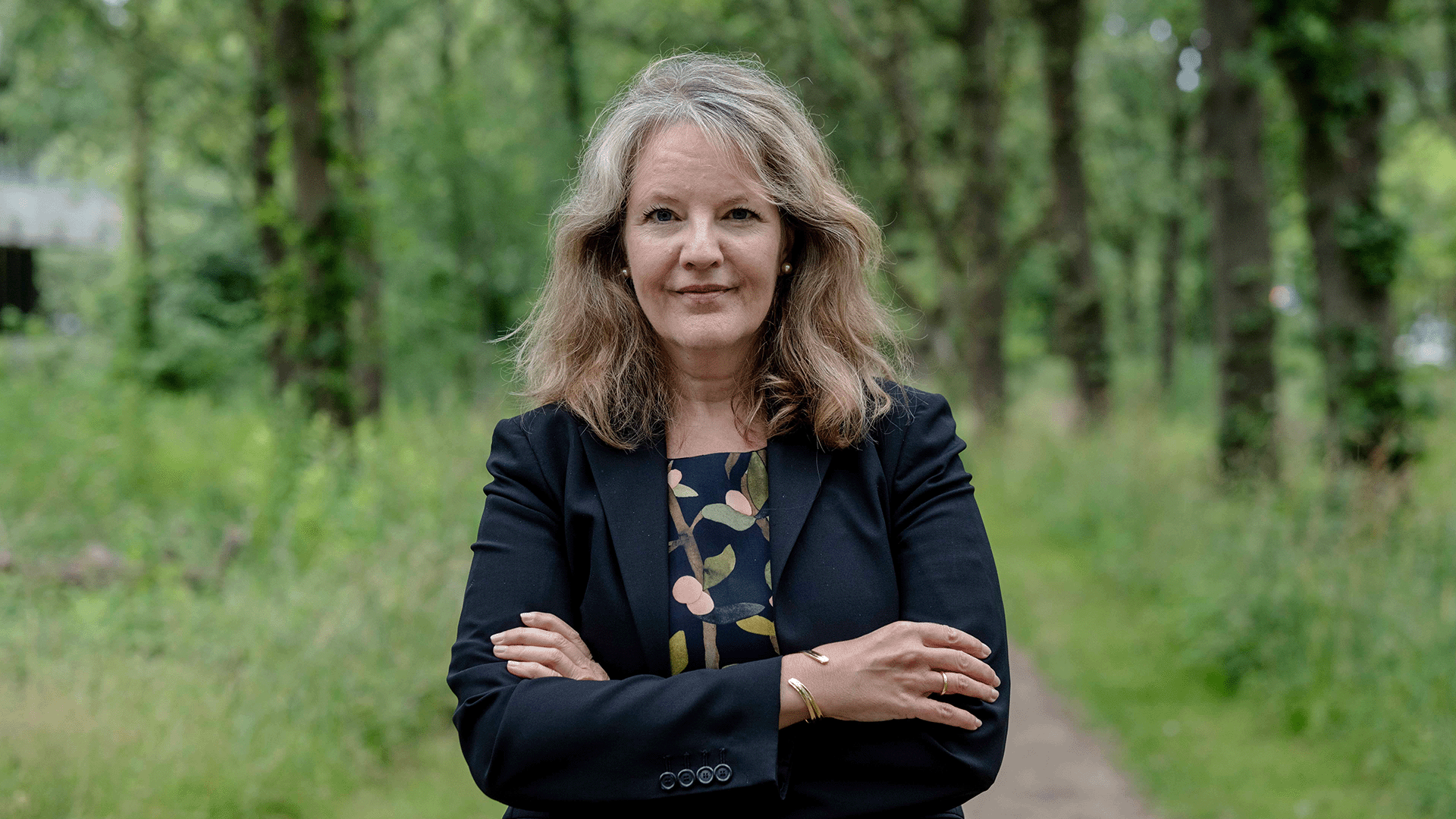
Dekan Christine Nellemann is working to ensure that DTU achieves greater global impact in relation to the sustainable transformation of our society. Photo: Marie Bentzon
At DTU, we take responsibility. We believe that the current trend can be reversed, that we have the power to act, and that we can create a better future for people and the planet.
Christine Nellemann Dekan at DTU

GREEN CHALLENGE for the engineers of the future

The GREEN CHALLENGE educational initiative aims to help ensure that the engineers of the future can integrate aspects of social, economic and environmental sustainability into their work.